Motorists Warned About Rising Online Traffic Fine Scams in South Africa +5 Ways to Keep Safe
Reading Time: 3 minutesMotorists in South Africa are being targeted by phishing scams involving fake traffic fines. Learn how to stay safe and protect your personal information.
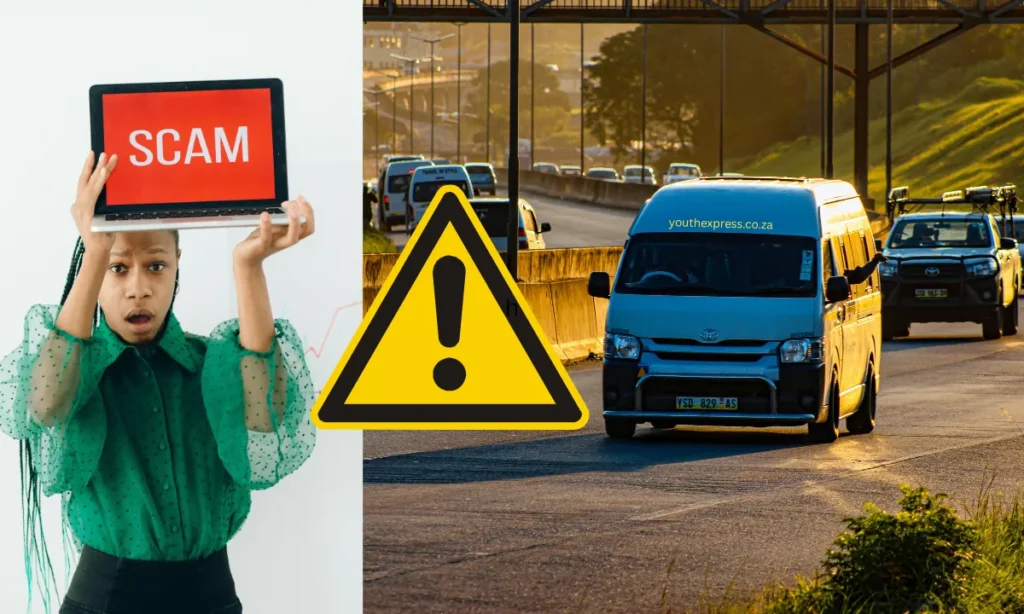
A growing threat facing South Africans
South African motorists are being urged to stay alert as a surge in fraudulent online traffic fine scams spreads across the country. Recent warnings highlight how criminals are exploiting confusion around traffic laws and digital payment systems to deceive unsuspecting drivers.
According to the Road Traffic Infringement Agency (RTIA), fake speeding fine notifications are being sent via email, SMS, and WhatsApp. These messages often threaten penalties such as blocked licence renewals or increased fines if payment is not made immediately.
However, authorities have made it clear: many of these notices are fraudulent, and motorists should not engage with them.

How Phishing Scams Are Targeting Motorists
The Rise of Device Communication Fraud
Phishing incidents in South Africa are increasing, with scammers using digital communication channels to manipulate victims. These scams rely on urgency and fear, pressuring motorists into making quick payments without verification.
Fraudsters often create fake websites that closely resemble official platforms, tricking users into entering sensitive information.
In more advanced cases, criminals use remote access tools (RAT attacks) to gain control of a victim’s phone or computer, allowing them to access banking apps in real time without detection.
Less tech-savvy individuals are particularly vulnerable, as these scams are designed to look legitimate and mimic official communication channels.
Common Examples of Fraud in South Africa
- Fake Fine Notifications: Scammers send messages claiming you have an outstanding fine, often with a link to “pay immediately” to avoid penalties.
- Cloned Payment Websites: These sites imitate official government or municipal platforms, capturing banking details once a user attempts payment.
- Urgent Threat-Based Messaging: Messages may warn of arrest warrants or licence suspension, creating panic to force quick action.

5 Ways Motorists Can Protect Themselves
- Verify Before You Pay: Always confirm fines directly through official government websites or trusted platforms. Avoid clicking links in unsolicited messages.
- Check Website URLs Carefully: Ensure the website is legitimate. Fraudulent sites often have slight spelling differences or unusual domains.
- Avoid Sharing Personal Information: Never provide ID numbers, banking details, or passwords via email, SMS, or unknown websites.
- Be Wary of Urgency Tactics: Scammers rely on panic. Official authorities typically do not demand immediate payment through threatening messages.
- Use Secure Devices and Updated Software: Keep your phone and computer updated to reduce the risk of malware or remote access attacks.
Staying Alert in a Digital Age
As phishing tactics become more sophisticated, motorists must adopt a cautious approach to all digital communications. The combination of rising online fraud and increasing reliance on digital payments creates a perfect environment for scammers to thrive.
Staying informed, verifying information, and resisting pressure tactics are key to avoiding financial loss. In a landscape where a single click can lead to fraud, awareness is no longer optional—it is essential.
For more information or assistance with traffic fines, contact RTIA at 0871 227 861.
Have you had a similar incident of being defrauded, tell us your story!