CCSA’s 50% Fuel Price Cut Challenge Tests Government’s Limits
Reading Time: 2 minutesGovernment has been given two weeks to respond to a demand by the CCSA to reduce fuel prices. Read more about what they have to say.
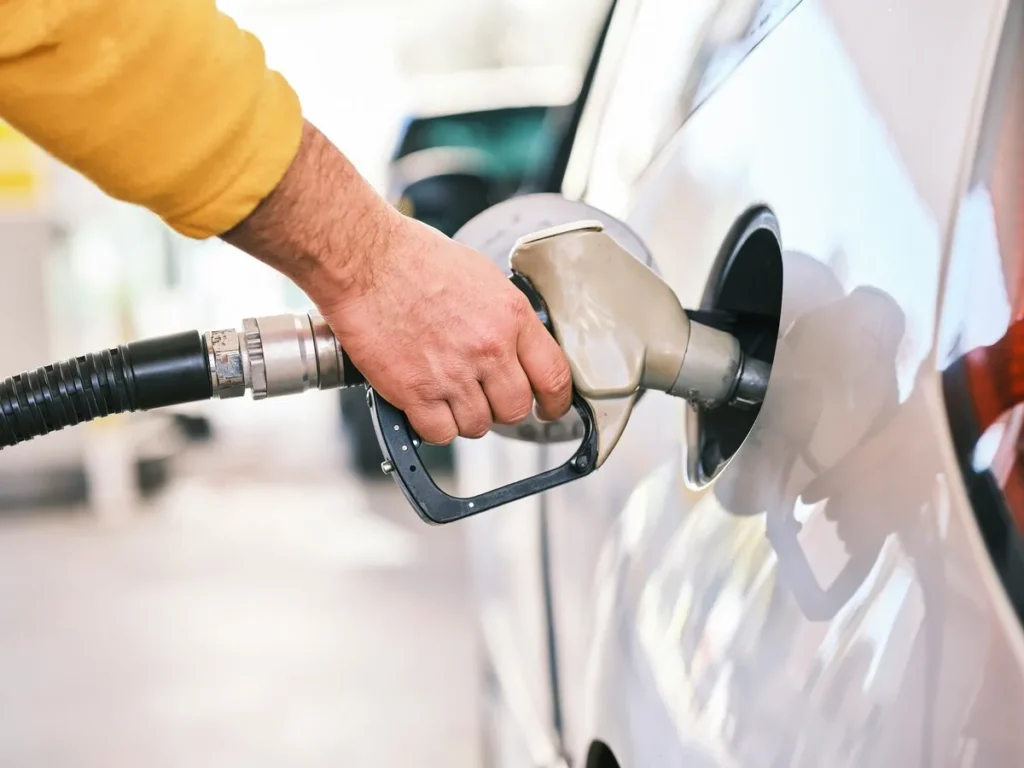
Image Credit: Engin Akyurt on Unsplash
CCSA demands that Government listen to them or threatens a three-day nationwide shutdown
The Concerned Citizens of South Africa (CCSA) has given government 14 days to respond to its demand for a 50% reduction in fuel prices, threatening a three-day national shutdown if its demands are not met.
CCSA spokesperson Siphiwe Mpungose says the organization wants petrol prices reduced to R15 per litre through lower fuel levies and a review of the fuel-pricing formula, raising questions about whether government can afford the proposed reduction.
The demand comes amid concerns about the cost of living and the effect of fuel prices on transport, food distribution and business expenses. However, whether government can reduce petrol prices by half depends on the components it can change, the cost of any subsidies and the impact on public revenue.
What would the CCSA fuel price cut require?
The proposed reduction would bring inland 95-octane petrol down from R30.25 per litre in October to approximately R15.13 per litre. That is a reduction of about R15.12 per litre.
The Department of Mineral and Petroleum Resources explains that monthly fuel-price adjustments reflect international petroleum prices, exchange rates and statutory levies. Government can adjust certain levies, but it does not directly control all the factors determining the pump price.
How much could levy cuts achieve?
The General Fuel Levy and Road Accident Fund levy together accounted for R6.35 per litre in October. Removing both would leave petrol at approximately R23.90 per litre, assuming other components remained unchanged.
This calculation suggests that removing the two levies alone would not achieve CCSA’s R15 target. Further changes to the pricing structure or a subsidy would be needed.
Who would pay for the reduction?
A substantial reduction in levies would affect government revenue, while subsidies would require public funding. Parliament’s Standing Committee on Appropriations has considered a proposed R10 billion allocation for fuel-price stabilisation, but that allocation should not be confused with a confirmed, permanent 50% price reduction.
National Treasury would need to calculate the cost of CCSA’s specific proposal before its long-term affordability could be established.
What happens next?
CCSA has warned that it will pursue a three-day shutdown if government does not respond within the stated period. The organisation has indicated that it intends to seek wider participation, although other groups’ involvement should not be assumed without confirmation.
The immediate questions are whether government will respond before the deadline, what relief it can offer and whether CCSA can provide a detailed funding proposal. Those answers will help establish whether the demand can be translated into a workable policy or whether alternative measures will be needed to ease fuel costs.
What are your thoughts, send us your thoughts or letters for publishing.