Afghan Women Look to South Africa to Fight for Education Parity August 2026
Reading Time: 4 minutesA delegation of Afghan women visited South Africa with activist, Malala Yousafzai this August. Youth Express spent time with them.
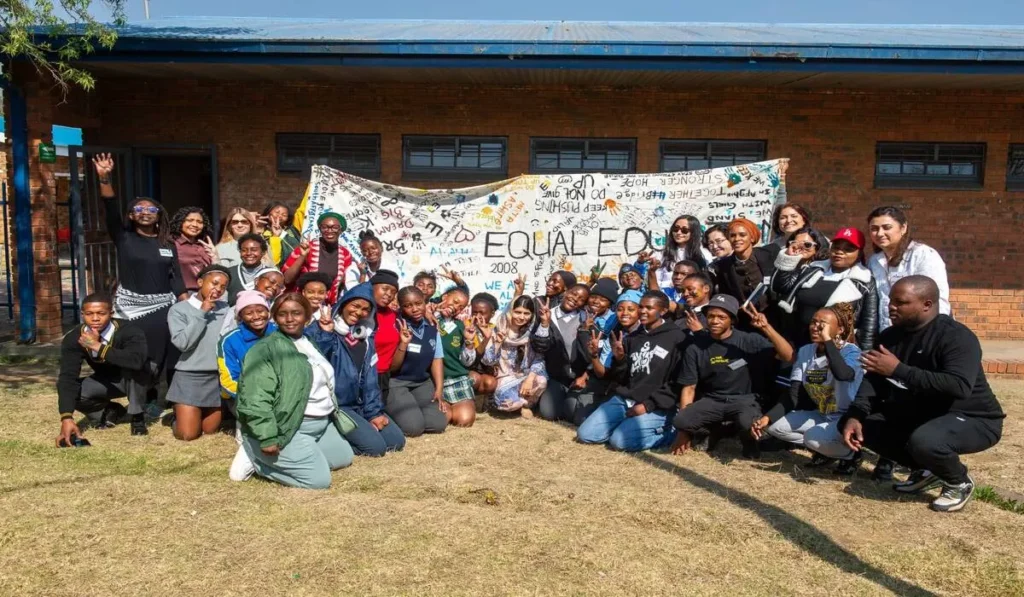
Image Credit: Malala Fund
Afghan women speak about equal rights for women in education among other topics when visiting countries across the globe with assistance from the Malala Fund.
This past week, this delegation from Afghanistan came to South Africa.
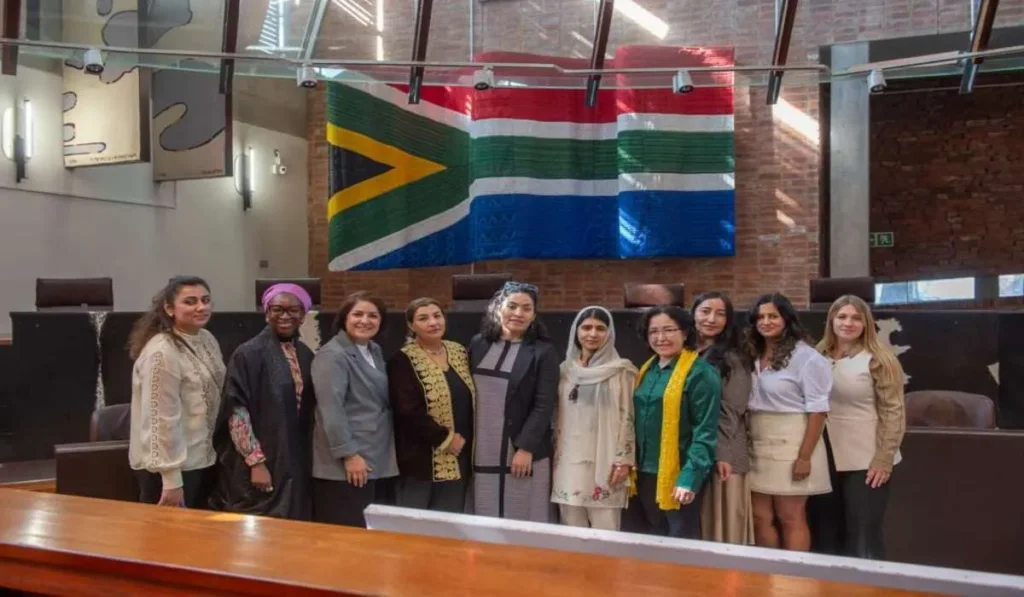
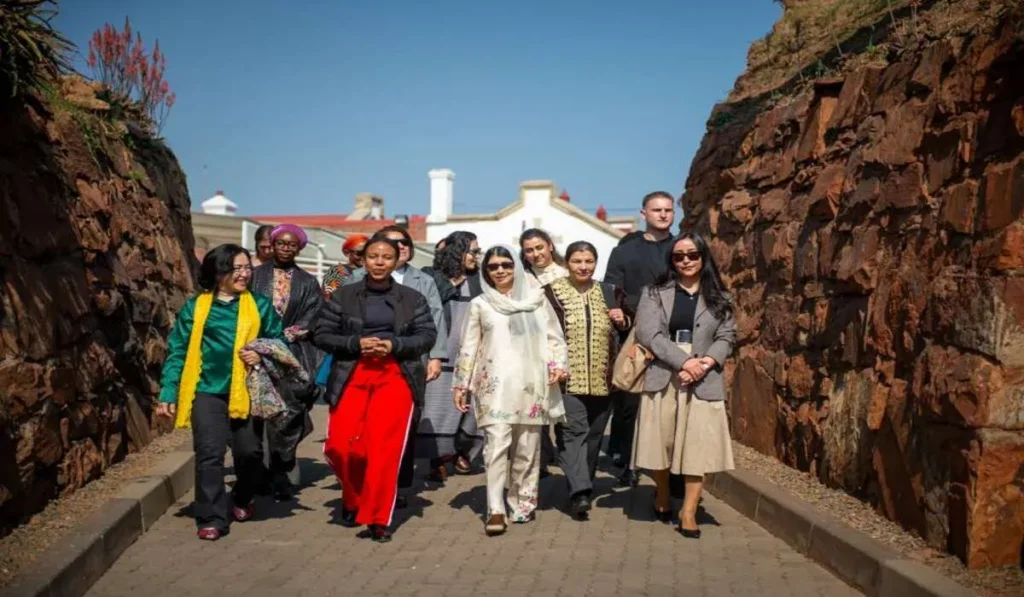
The women’s delegation, consisting of lawyers, educators and human-rights advocates, joined renowned education activist Malala Yousafzai to learn from our history of resistance and to strengthen the global campaign to end gender apartheid in Afghanistan.
Afghan delegation visit Pretoria
Their visit could not have come at a more significant time. This year marks 70 years since more than 20 000 women marched to the Union Buildings on 9 August 1956 to protest apartheid pass laws. It also marks 50 years since the 1976 Soweto uprising and 30 years since the adoption of our Constitution, which placed human dignity, equality, freedom, non-racialism and non-sexism at the heart of our democracy.
Refusing injustice as inevitability
For young South Africans, these are not simply historical anniversaries. They are reminders of what young people can achieve when we refuse to accept injustice as inevitable.
The youth of 1976 demonstrated the power of collective action.
We saw a similar spirit last year during the Women for Change protest, when thousands of South Africans, particularly young women, stood together against the devastating levels of gender-based violence in our country.
Youth can change minds
But standing in the same room as Malala and Afghan women activists made something painfully clear to me: the fight for equality is far from over, and as young people, we have the opportunity to change that.
In fact, there are worrying signs that some of the progress women have fought for globally is being reversed. UN Women reported in 2025 that women’s rights had regressed in nearly one in four countries. Its assessment of progress towards the Sustainable Development Goals also found that gender equality remains significantly off track, with 39 countries experiencing regression in women’s representation in national parliaments.
Afghan females and education
Afghanistan represents perhaps one of the most extreme manifestations of this regression. Nearly five years after the Taliban returned to power, Afghanistan remains the only country in the world where girls are prohibited from attending secondary school and women are barred from university. Approximately 2.2 million adolescent girls have been denied the opportunity to continue their education beyond primary school.
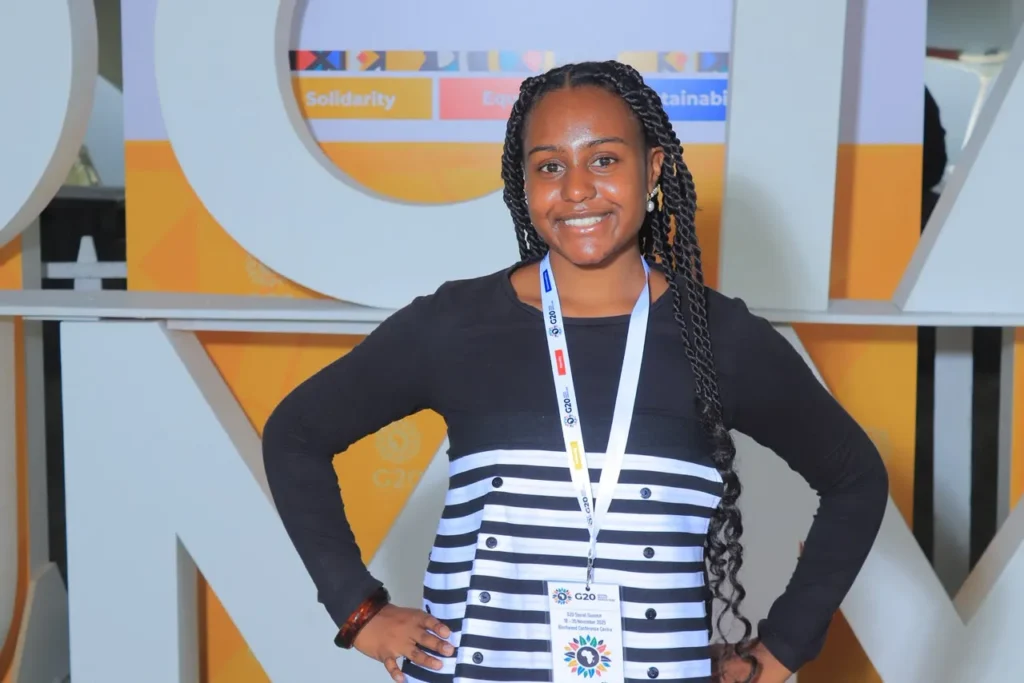
. . . if history teaches us anything, it is that rights can be won – but they can also be lost when we stop defending them.
— DAMATRIA NTINTILI
Quiet determination to act
Listening to Afghan women speak about their lives under these restrictions was difficult. But what struck me most was not only what has been taken from them; it was their determination to continue organising, learning, leading and resisting.
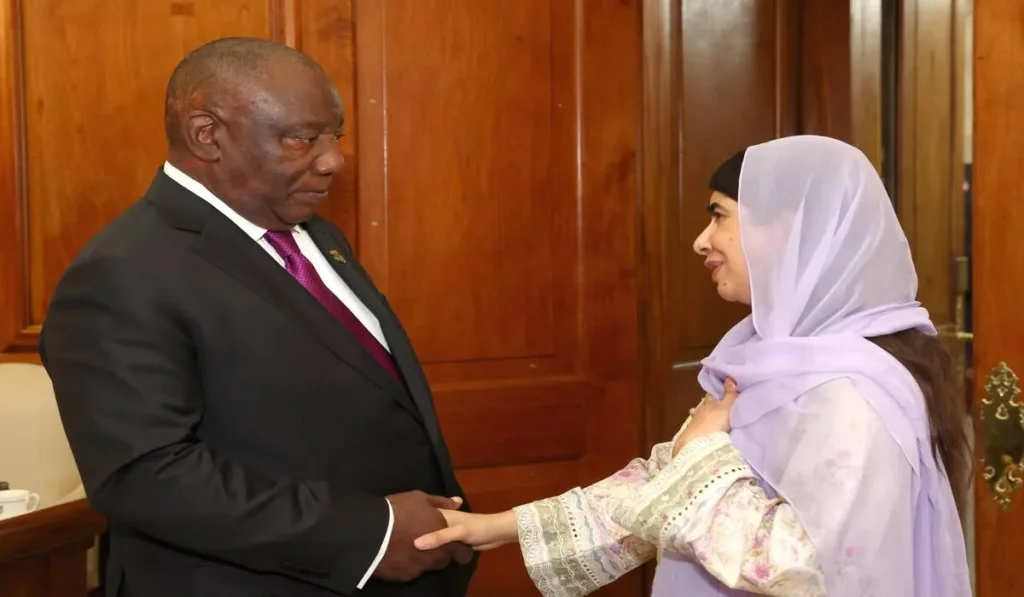
Meeting Malala was equally profound. To stand beside someone who was targeted for insisting that girls have the right to education made the issue feel deeply human. Education is not merely about classrooms or certificates. It is about freedom, dignity, choice and the ability to determine the course of your own life.
Creating a holistic approach
It also reminded me that gender equality cannot be treated as a conversation for women alone. Men and boys must be taught from a young age about equality, consent, respect and positive masculinity.
We cannot expect to dismantle systems of gender inequality while only teaching girls how to navigate them.
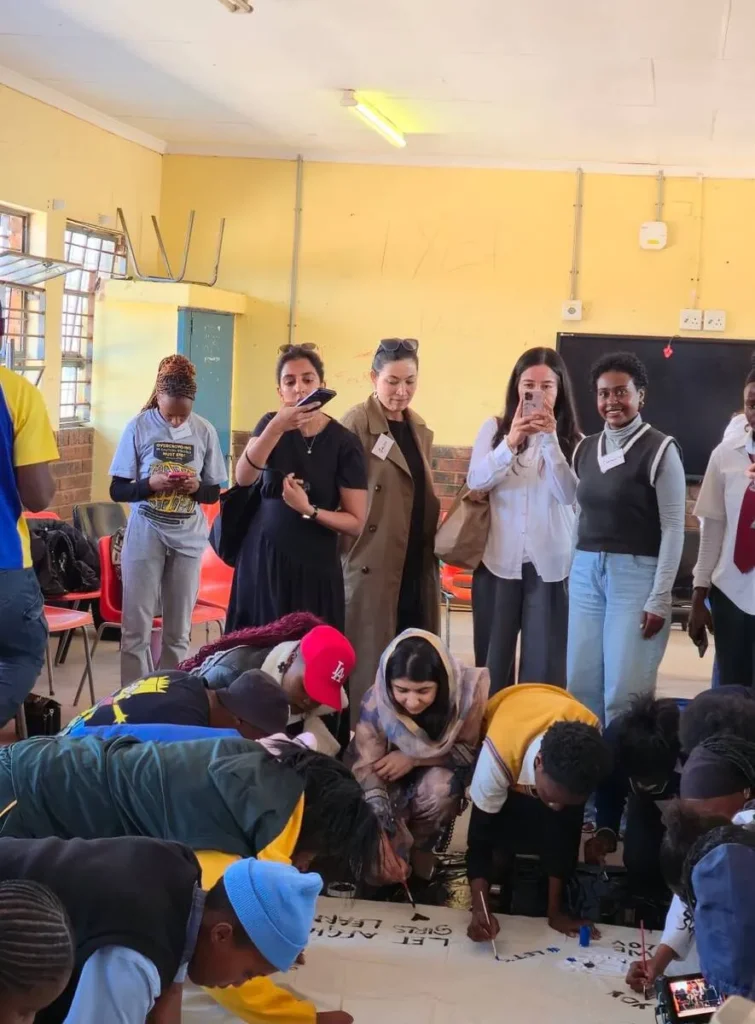
One of the most beautiful moments for me was seeing Malala interact with young people – laughing, dancing and simply being present. There were no barriers between her and the young people around her. It reminded me that beneath our different countries, cultures, experiences and titles, we are all human beings who need one another.
Extending solidarity beyond borders
South Africa’s history teaches us that solidarity can move societies forward. Afghanistan’s women are asking us to extend that solidarity beyond our borders.
So this Women’s Month, my call to young South Africans is simple: do not look away.
Stand with Afghan women and girls. Stand against gender apartheid. Stand against gender-based violence here at home. Stand for education, dignity and equality everywhere.
Because the progress women enjoy today was not given to us. It was fought for.
Gen Z uniting for change
And if history teaches us anything, it is that rights can be won – but they can also be lost when we stop defending them.
The question is not whether our generation can change the world.
The generations before us have already proved that we can.
The question is whether we will choose to stand together when our moment comes.