Gen Z and respect: Building Classrooms Where Learners Want to Succeed in 2026
Reading Time: 4 minutesGen Z: Respect begins with understanding how today’s matric learners communicate, learn and respond to encouragement. Discover practical ways teachers can inspire learners ahead of the 2026 final examinations.
With trial examinations beginning at the end of August 2026 and the National Senior Certificate examinations fast approaching, many South African teachers are doing everything they can to prepare their matric classes for success.
Yet one important ingredient is often overlooked: Gen Z and the respect factor.
Gen Z learners have developed different ways of expressing themselves
Today’s teenagers are frequently described as lazy, distracted or unwilling to work. These labels may be convenient, but they do little to explain the reality facing many learners. Generation Z, born into a digital world, often processes information, emotions and relationships differently from previous generations.
Rather than asking why they appear different, perhaps the better question is: How can educators connect with them more effectively?
Understanding Gen Z
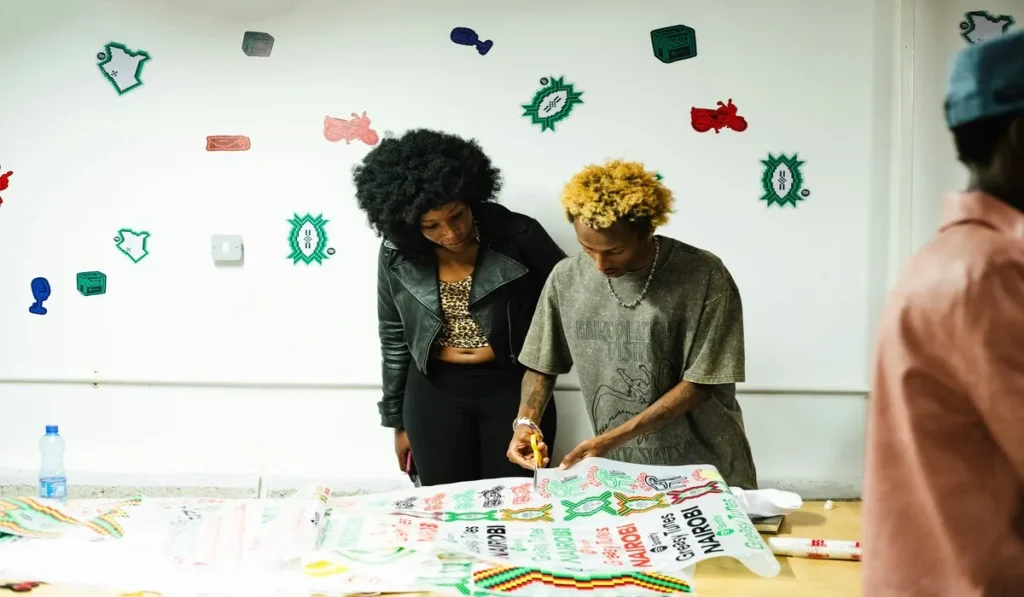
Gen Z has never known a world without smartphones, social media and instant access to information. They communicate quickly, often through text, emojis, voice notes and short-form content.
This does not mean Gen Z lack emotion.
Instead, many Gen Z learners have developed different ways of expressing themselves. They may internalise disappointment rather than argue, withdraw instead of confronting someone, or seek comfort online when feeling overwhelmed.
Silence should never automatically be mistaken for indifference.

Image Credit: Nathan Dumlao on Unsplash
Respect Is a Two-Way Conversation
Schools have always taught learners to respect teachers. That remains important.
However, with a child from the Gen Z era recognizing that respect works both ways goes a long way toward achieving a successful outcome for both parties.
Many teenagers respond positively when adults explain expectations rather than simply issuing commands. They are more likely to engage when they feel heard, valued and treated with dignity.
A learner who feels embarrassed, belittled or publicly criticized may stop participating altogether—not because they are incapable, but because the emotional cost outweighs the desire to contribute.
Respect creates psychological safety, and psychological safety creates better learning.
Motivation Cannot Be Built on Fear
Threats may achieve short-term compliance, but they rarely inspire long-term learning.
Comments such as:
- “You’ll fail if you don’t listen.”
- “You’ll never make it.”
- “You’re wasting your future.”
may increase anxiety without increasing motivation.
Many Gen Z learners respond better when teachers focus on solutions instead of consequences.
For example:
“Let’s work on improving this section together.”
or
“You’ve already mastered these chapters. Let’s tackle the next challenge.”
Encouragement helps Gen Z learners believe improvement is possible.
Why Some Learners Stop Attending
Across many schools, some matric learners attendance later in the year becomes infrequent, particularly after large portions of the syllabus have been completed.
There are many reasons for this. Some choose to study independently, others experience anxiety, while some feel disengaged if classroom lessons become repetitive or lack meaningful revision.
Rather than assuming learners have “given up,” schools can ask:
- What support do learners need now?
- Are revision lessons engaging?
- Are learners given opportunities to ask questions without judgement?
- Is the classroom environment encouraging participation?
Listening may reveal solutions that punishment never could.
Teachers Face Pressures Too
This conversation is not about blaming teachers.
Educators are managing large classes, administrative demands, curriculum deadlines and pressure to produce excellent matric results.
Many entered the profession because they genuinely wanted to shape young lives.
The challenge is that the educational landscape has changed dramatically.
Strategies that worked 20 years ago may not have the same impact today. Professional growth means adapting alongside every new generation.
youth express
Practical Ways to Build Gen Z Respect
Teachers can strengthen relationships with learners by making small but meaningful adjustments:
- Explain the purpose behind classroom rules.
- Give constructive feedback instead of personal criticism.
- Allow learners to ask questions without fear of embarrassment.
- Celebrate progress, not only perfect marks.
- Use technology where appropriate to support learning.
- Speak calmly, even during difficult conversations.
- Listen before making assumptions.
- Model the respect expected from learners.
These approaches cost nothing but can transform the classroom atmosphere.
A Positive Legacy
The best teachers are rarely remembered because they demanded obedience.
They are remembered because they believed in their learners before the learners believed in themselves.
As South Africa’s Class of 2026 enters one of the most important academic periods of their lives, they need guidance, structure and accountability—but they also need compassion.
When Gen Z feel a sense of respect has become a part of everyday teaching, classrooms become places where learners are not simply preparing to pass examinations.
They are learning confidence, resilience and mutual respect—lessons that will serve them long after the final matric paper has been written.