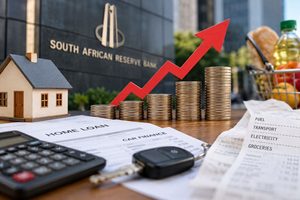
Fuel Price Increase Got You Reeling? Watch our 10 Hacks to Save Fuel
Reading Time: 3 minutesFuel price increases globally have consumers reeling, we present 10 hacks to save yours.
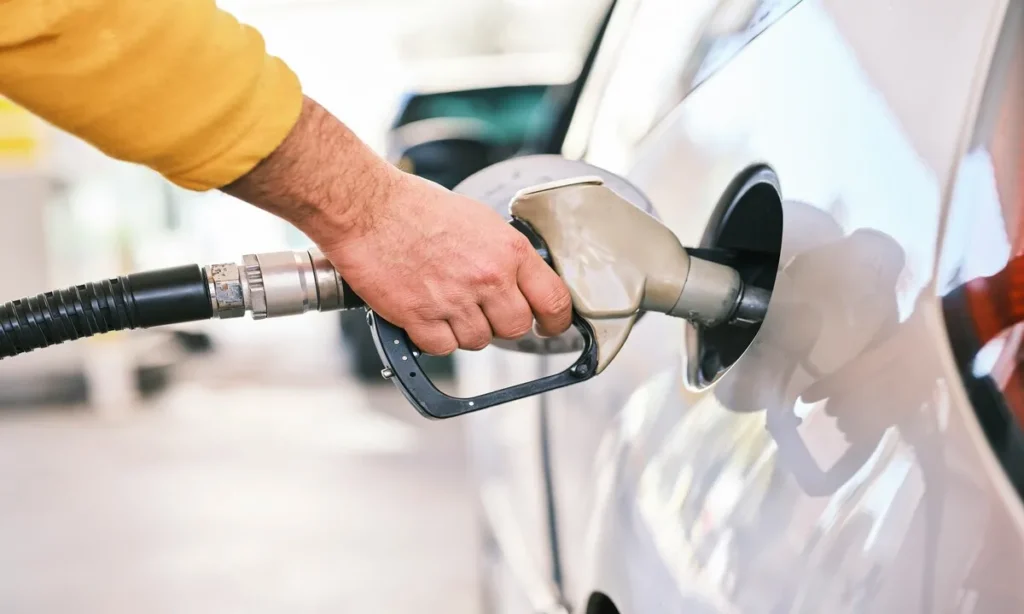
Image Credit: Engin Akyurt on Unsplash
Fuel price increases are causing most households to look at their budgets more closely
As fuel prices continue to put pressure on household budgets across South Africa, motorists are being encouraged to take a closer look at their everyday driving habits — many of which could be quietly increasing their fuel spend.
Fuel Price Increases Globally
While external factors like global oil prices and exchange rates remain beyond drivers’ control, experts say there are simple, practical changes that can make a noticeable difference. One of the biggest contributors to fuel consumption is aggressive driving. Sudden acceleration and harsh braking force the engine to work harder, using more fuel in the process. A smoother, more controlled driving style not only improves safety, but also reduces fuel usage.

Your usage and car maintenance
Vehicle maintenance also plays a critical role. An under-inflated tyre increases resistance on the road, while poor servicing — including dirty air filters or old engine oil — reduces efficiency. Regular checks can help ensure the vehicle is running optimally.
Motorists are also advised to avoid unnecessary idling. Leaving the engine running while parked or waiting consumes fuel without covering any distance, contributing to unnecessary waste over time.
Maintain your vehicle optimally
Weight is another often overlooked factor. Carrying excess items in the boot or vehicle increases the load, requiring more petrol to move the car. Removing non-essential items can help improve fuel efficiency.
Planning journeys more effectively can also yield savings. Multiple short trips — especially from a cold start — tend to use more petrol than a single, well-planned route. Grouping errands together can reduce overall consumption.
AC and fuel consumption
The use of air conditioning should also be managed carefully. At lower speeds, open windows can be a more petrol-efficient option, while air conditioning is generally more effective on highways where drag from open windows becomes a factor. Maintaining a steady speed is another key principle. Constant speeding up and slowing down increases fuel consumption, while consistent driving — including the use of cruise control where possible — helps optimize efficiency.
Controlling your petrol consumption
Traffic conditions remain a significant contributor to petrol usage. Stop-start driving in peak traffic increases consumption, prompting calls for motorists to adjust travel times where possible.
Finally, driver awareness plays an important role. Habits such as “riding the brakes” — keeping a foot constantly on the brake pedal — can lead to inefficient driving patterns and increased use.
The message is clear: while motorists may not be able to control the price of petrol, they can control how efficiently they use it. And in a high-cost environment, small changes in behaviour can translate into meaningful savings over time.
Please note: This is an updated version of the story plus promised video with Sisanda Mahlangu.

Share our posts with your friends, please!