Public urination could cost you up to R1500 – stern warning issued to offenders to zip up or pay up
Reading Time: 3 minutesPublic urination in Johannesburg could result in fines of up to R1,500 or even imprisonment. The JMPD has issued a zero-tolerance warning as enforcement continues across the city.
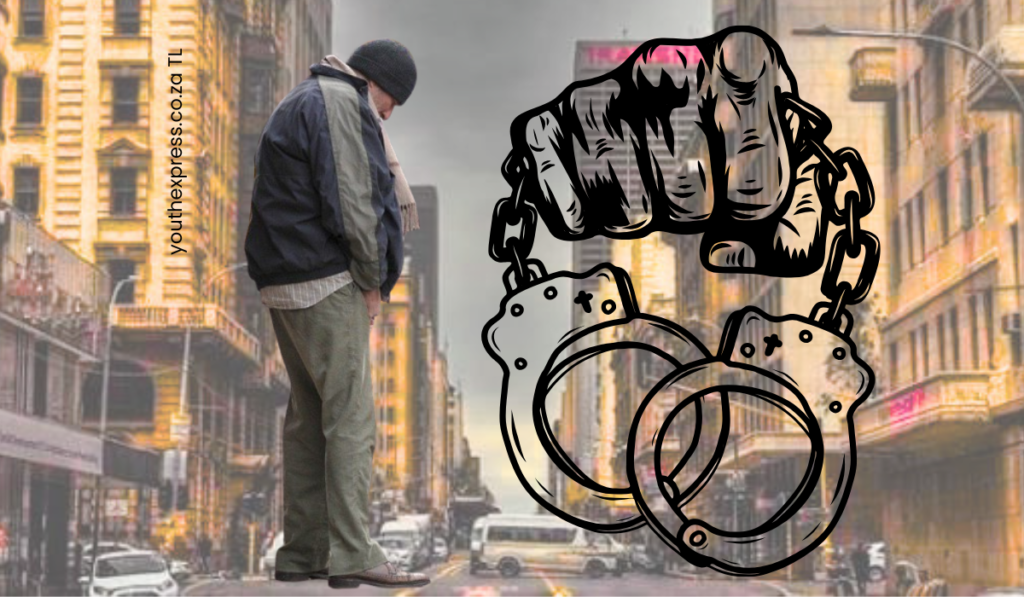
Image: Youth Express TL
Public urination could leave you lighter in the pocket
If nature calls while you’re walking through Johannesburg, make sure you answer it in the right place.
The Johannesburg Metropolitan Police Department (JMPD) has issued a firm warning that public urination is a criminal offence and offenders caught relieving themselves in public spaces could face spot fines of between R500 and R1,500, with repeat or serious offenders risking imprisonment.
While the temptation to “water the nearest wall” may seem harmless to some, the city says the consequences are anything but amusing.
Public urination is against multiple municipal by-laws
According to the JMPD, public urination is prohibited under several City of Johannesburg municipal by-laws, including the:
- Public Road and Miscellaneous By-laws
- Public Open Spaces By-laws
- Public Health By-laws
- Waste Management By-laws
These regulations prohibit public urination, behaving indecently or creating a nuisance on public roads, sidewalks, parks, squares and other municipal spaces.
Authorities say the offence is more than just unpleasant for passers-by. It creates health hazards, damages public infrastructure, contributes to unsanitary conditions and undermines efforts to keep Johannesburg clean and welcoming.
CCTV cameras are watching
Anyone thinking they can quickly duck behind a wall should think again.
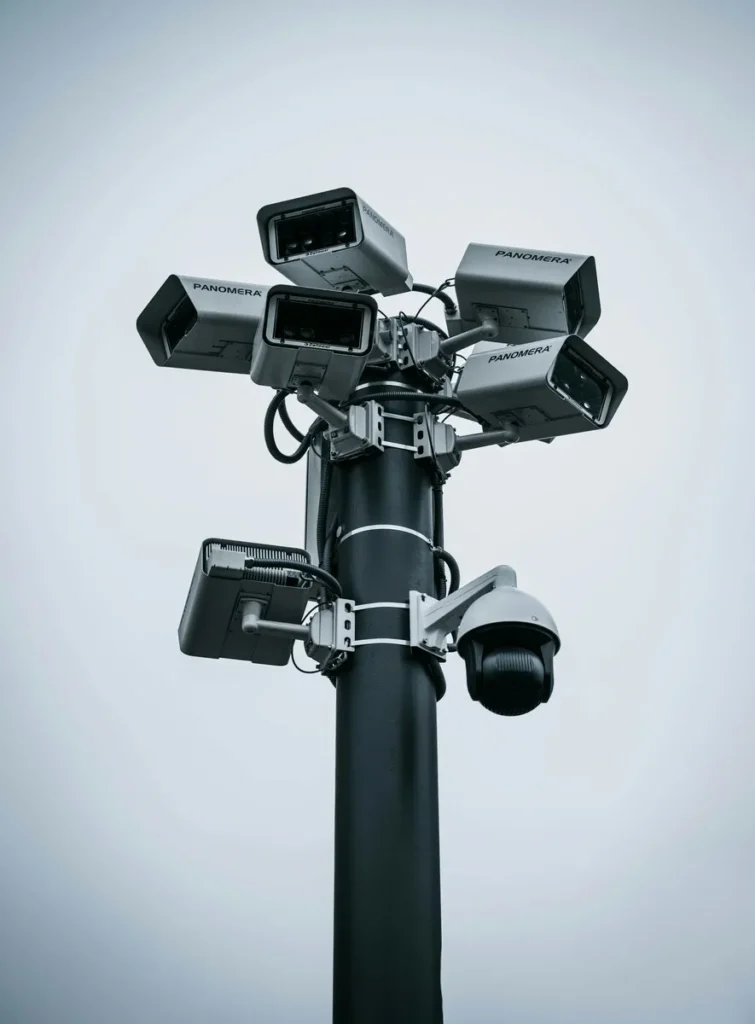
The JMPD says key public thoroughfares and known hot spots are monitored around the clock through an extensive CCTV surveillance network. Officers also patrol throughout the city, meaning offenders can be identified either in person or through recorded footage.
In other words, if you’re caught with your pants down, don’t expect sympathy . . . expect paperwork.

Fines, court appearances and possible jail time
JMPD spokesperson Superintendent Xolani Fihla told Youth Express that public urination is treated as a criminal offence under the City’s Public Open Spaces By-laws, Public Roads and Miscellaneous By-laws, as well as common-law provisions relating to public indecency.
He explained that officers may issue an admission-of-guilt fine immediately or after processing at a police station.
TAKE NOTE: Public urination is a criminal offence and offenders caught relieving themselves in public spaces could face spot fines of between R500 and R1,500, with repeat or serious offenders risking imprisonment.
The fines range from R500 to R1,500, depending on the location and circumstances of the offence.
For offenders who contest the charge or are formally prosecuted, the consequences can become far more serious.
A municipal court may impose a heavier fine or sentence an offender to between three and six months’ imprisonment, or both, particularly where repeated offences or public exposure are involved.
Zero tolerance is already in force
The JMPD stressed that this is not a future campaign or awareness drive.
Enforcement is already active across all regions of Johannesburg, with officers applying a zero-tolerance approach daily.
Residents, commuters, business owners and visitors are encouraged to make use of designated public restroom facilities instead of relieving themselves in public spaces.
A cleaner city starts with simple choices
Everyone understands that emergencies happen, but the JMPD says choosing a public wall, pavement or park as a toilet is not the answer.
Respecting shared public spaces helps protect public health, preserves city infrastructure and creates a cleaner environment for everyone.
So, before answering nature’s call, remember this: finding a public toilet is far cheaper than paying a hefty fine – and certainly more dignified than explaining yourself in court.