Watch, Initiation Shock in South Africa: Preserving a Sacred Tradition While Saving Lives in 2026
Reading Time: 5 minutesSouth Africa’s winter initiation season has once again highlighted the need to balance cultural heritage with safety. Explore how initiation traditions around the world are evolving to protect initiates while preserving their meaning.
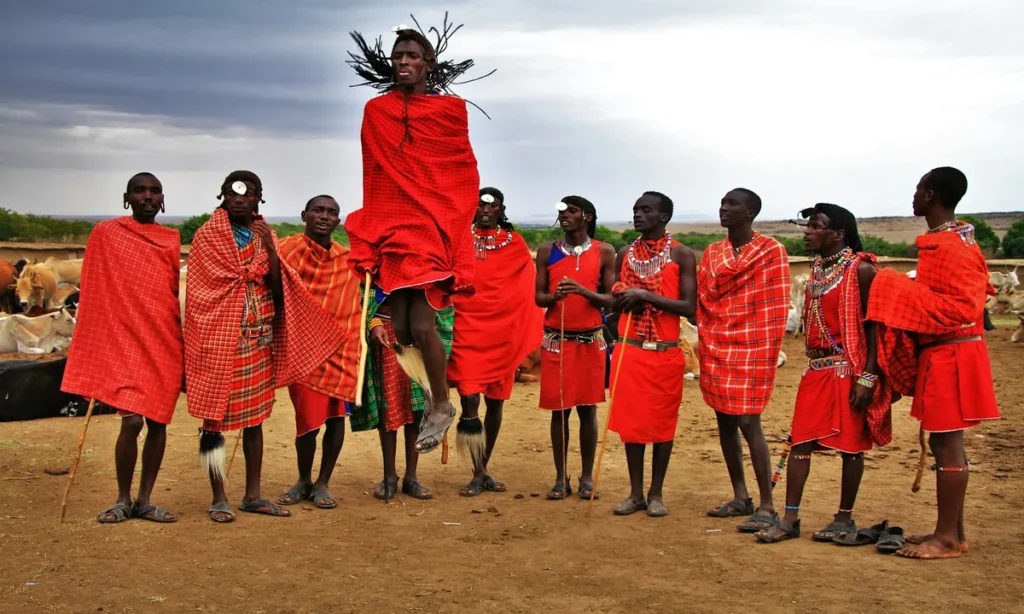
Image Credit: Pawan Sharma on Unsplash
Initiation has marked the passage from childhood to adulthood for thousands of years, serving as one of humanity’s oldest and most respected cultural traditions. Whether practised in Africa, Asia, Oceania or the Americas, initiation rituals are often seen as a powerful journey of endurance, learning and transformation guided by Elders who pass on generations of wisdom.
These ceremonies are far more than symbolic events. They represent identity, belonging, responsibility and a young person’s place within their community. Across many societies, completing an initiation is regarded as a defining moment that prepares an individual for adulthood.
Yet in today’s world, there is an increasingly important conversation taking place: how can communities preserve these sacred traditions while ensuring that every initiate returns home safely?
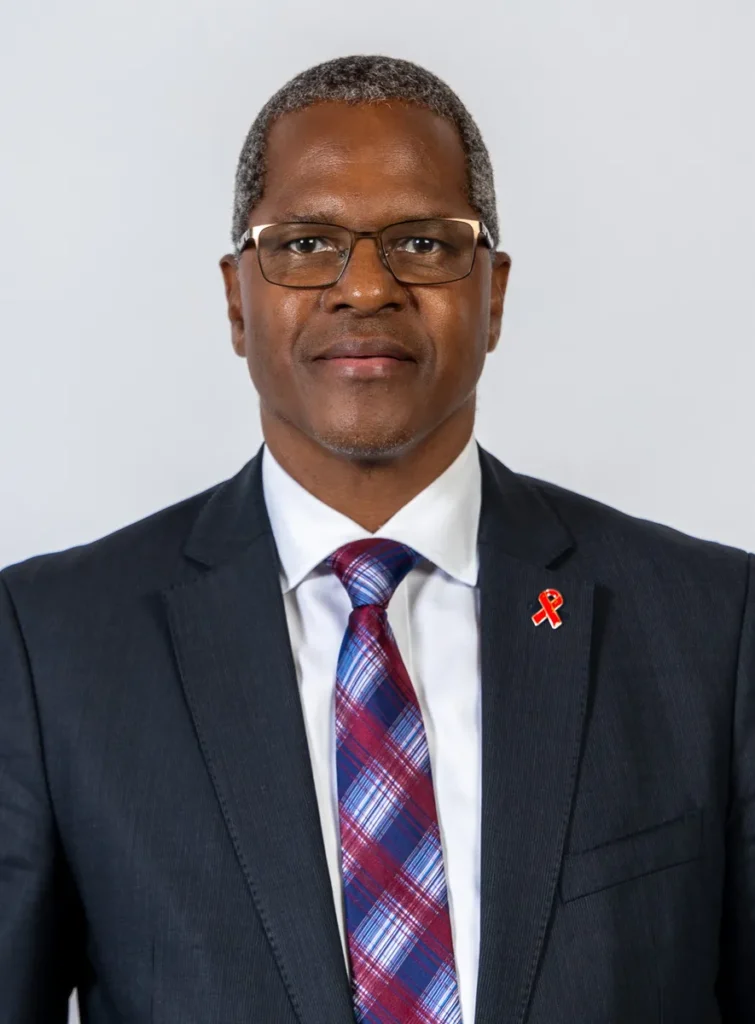
Image Credit: Department of Cooperative Governance
A difficult winter season
South Africa’s 2026 winter initiation season has once again brought this question into sharp focus.
According to Minister of Cooperative Governance and Traditional Affairs (COGTA) Velenkosini Hlabisa, preliminary reports received by 12 July 2026 recorded:
- 35 initiation deaths
- 12 reported abductions
- 58 illegal initiation schools operating
- 42 illegal schools already closed
- 180 initiates rescued
- 75 initiates hospitalised
- 150 criminal cases opened
- 40 arrests made
The Minister described these figures as deeply concerning and stressed that customary initiation remains a respected cultural practice that must continue in a manner that protects the dignity, health and lives of every initiate.
Rather than questioning the value of the tradition itself, government has renewed its call for greater cooperation between families, traditional leaders, healthcare professionals, law enforcement agencies and communities to eliminate preventable deaths and criminal activity.
A tradition shared across the world
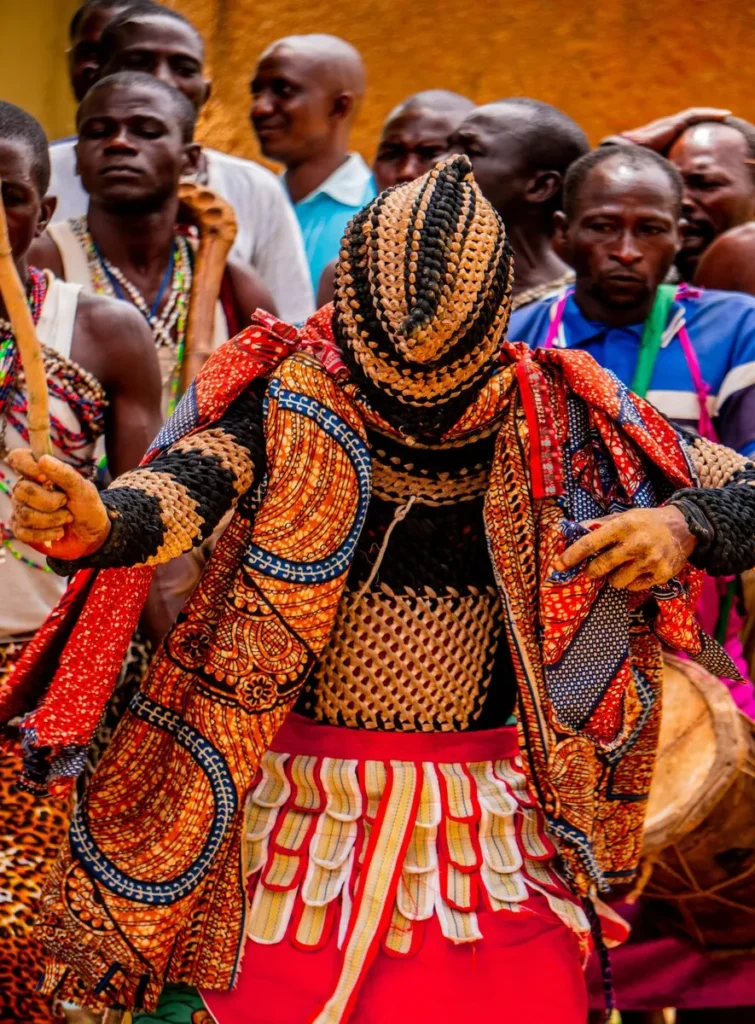
While South Africa’s customary initiation schools receive significant public attention, rites of passage are found in cultures across every continent.
Among many Aboriginal Australian communities, young people traditionally underwent demanding ceremonies that symbolized spiritual growth and responsibility.
In Papua New Guinea, certain tribes have practised elaborate initiation rituals involving physical endurance and scarification, representing courage and the transition into adulthood.
Among some Indigenous peoples of the Amazon, young men have traditionally worn gloves filled with bullet ants, whose extremely painful stings are intended to demonstrate resilience and bravery.
Jewish communities celebrate the Bar Mitzvah and Bat Mitzvah, ceremonies that focus on religious responsibility rather than physical hardship. In many Christian denominations, confirmation marks spiritual maturity, while Hindu communities observe rites such as Upanayana, introducing young people to religious learning.
The differences are significant, but the purpose is remarkably similar: to prepare young people for the responsibilities of adult life.
When tradition becomes dangerous
Many ancient rituals developed centuries ago under vastly different social and medical conditions.
Modern healthcare has helped identify preventable risks including dehydration, infection, untreated wounds and prolonged exposure to harsh environments.
Across the world, some traditional practices have evolved as communities recognized that preserving life strengthens rather than weakens cultural heritage.
Today, many Indigenous communities collaborate with medical professionals while maintaining the spiritual and cultural integrity of their ceremonies. The lesson is not that traditions should disappear, but that they can adapt without losing their meaning.
South Africa faces a similar opportunity.
The majority of tragedies reported each winter are not necessarily linked to recognized customary initiation itself, but to illegal schools, criminal operators and individuals who ignore established cultural and legal standards.

Languages change, technology advances and societies adapt while preserving their deepest values. Initiation can follow the same path.
— Youth Express SA
The role of the Customary Initiation Act
South Africa’s Customary Initiation Act was introduced to protect both culture and human life.
The legislation requires the registration of initiation schools, establishes Provincial Initiation Coordinating Committees and provides for inspections, monitoring and enforcement against illegal operators.
Minister Hlabisa has urged parents and guardians to verify that an initiation school, traditional surgeon and traditional nurse are legally authorised before allowing a child to participate.
Parents are also encouraged to remain actively involved throughout the process and to report suspicious activities immediately.
Illegal initiation schools not only undermine respected cultural traditions but have also been linked to deaths, kidnappings, assaults and serious injuries.
Elders remain central to the future
Traditional leaders continue to play one of the most important roles in ensuring that customary initiation retains its dignity.
For generations, Elders have been the custodians of cultural knowledge, teaching discipline, respect, courage and responsibility. Their influence places them in a unique position to embrace additional safeguards without compromising tradition.
Communities may benefit from stronger partnerships that include:
- Greater health screening before initiation begins.
- Better emergency medical access in remote areas.
- Regular inspections of registered schools.
- Continued education for traditional practitioners.
- Swift action against illegal initiation schools.
- Stronger communication between parents and traditional leaders.
These measures support the tradition rather than replace it.
Protecting culture by protecting life
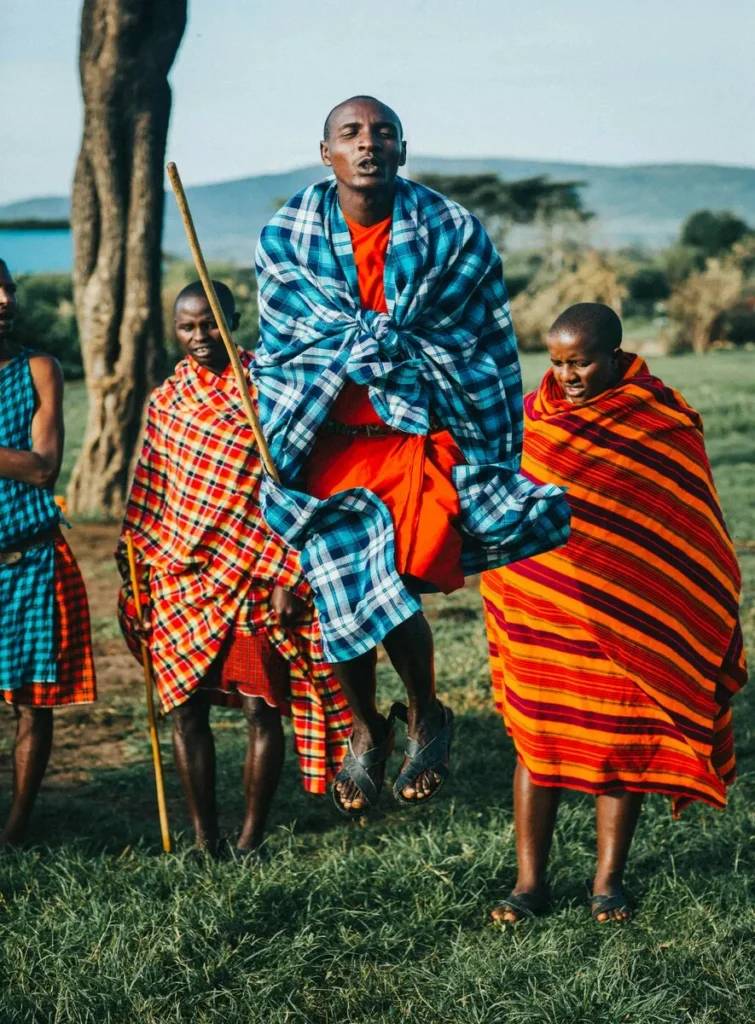
Every culture evolves.
Languages change, technology advances and societies adapt while preserving their deepest values. Initiation can follow the same path.
The true strength of any rite of passage lies not in unnecessary danger but in the wisdom, discipline and identity it passes from one generation to the next.
South Africa has one of the richest cultural landscapes in the world, and customary initiation remains an important part of that heritage for many communities. Protecting this tradition means protecting the young people entrusted to it.
Minister Hlabisa’s vision of “zero deaths, zero injuries and zero illegal initiation schools” is not a rejection of culture. It is a call for communities, government, families and traditional leaders to work together so that every initiation season honours both ancestral customs and the value of human life.
When every initiate returns home safely, communities preserve not only an ancient tradition but also the future generations who will carry it forward.